
This graco duoglider instruction manual provides essential guidance for safe and efficient use. Designed for parents and caregivers, it covers setup, operation, and maintenance, ensuring the child’s comfort and the product’s longevity.
Follow instructions carefully for safety and performance!!!
1.1 Purpose of the Manual
The purpose of this graco duoglider instruction manual is to equip parents and caregivers with comprehensive, clear, and actionable information for the safe, effective, and enjoyable use of the graco duoglider. This manual serves as a single, authoritative source that explains the product’s design, features, and benefits, while also outlining the necessary steps for assembly, operation, and maintenance. By following the detailed instructions, users can ensure that the glider functions as intended, providing a comfortable, secure, and ergonomically sound environment for the child. The manual also addresses safety considerations, troubleshooting tips, and recommended care practices, thereby reducing the risk of misuse or injury. Additionally, it offers guidance on how to adapt the glider to various settings, such as different room layouts or travel scenarios, and explains how to make the most of its adjustable settings and accessories. Ultimately, this manual is intended to empower users to maximize the value, longevity, and performance of the graco duoglider, while fostering confidence and peace of mind in everyday parenting tasks.
For additional support, consult the online resources linked on the product’s website, including video tutorials and downloadable PDFs. The manual also lists recommended accessories such as a child safety harness, a portable footrest, and a weather-resistant cover, ensuring the glider remains functional in diverse environments.
QR code links firmware updates safety tips.!!
1.2 Target Audience
This guide is crafted for a range of caregivers, parents, and childcare professionals who will operate or supervise the dual-seat glider. It addresses those who need clear, concise instructions for safe use, ensuring both infant and toddler safety during transportation or play. The target audience includes:
- New parents seeking reliable, easy‑to‑install seating solutions for infants and toddlers.
- Experienced caregivers who require quick reference for adjustments and maintenance.
- Childcare center staff responsible for daily operation and routine checks.
- Health and safety inspectors reviewing compliance with child‑care equipment standards.
- Retail staff providing product demonstrations and answering customer queries.
Each group benefits from the step‑by‑step explanations, safety reminders, and troubleshooting tips that accompany the product’s design. By following this manual, users can confidently set up, operate, and maintain the glider, guaranteeing a secure, comfortable experience for young passengers.
In addition to the basic operational guidance, this manual also highlights recommended usage scenarios, such as traveling in vehicles, attending outdoor events, and integrating the glider into daily routines. It explains how to adjust the seat angle, secure the child harness, and use the built‑in storage compartment. Caregivers are advised to regularly inspect the harness straps, buckle integrity, and the glider’s frame for any signs of wear or damage. By adhering to these practices, users help maintain the equipment’s safety standards and extend its lifespan.
Finally, the manual encourages periodic professional inspections and provides contact information for authorized service centers. By staying informed and proactive, caregivers ensure the glider remains a reliable, safe companion for their child’s growth and exploration!
Safety Guidelines
Follow all graco duoglider instruction manual safety rules. Keep the device clean, inspect straps, secure the child in the harness, avoid overloading, use only recommended accessories, and store in a dry place. Never leave unattended during use. Always supervise during play.!!!!

2.1 General Safety Rules
These general safety rules are designed to protect children and caregivers while using the graco duoglider instruction manual. Before first use, ensure the glider is on a flat, stable surface and that all straps and buckles are securely fastened. The child seat must be properly installed according to the manufacturer’s specifications. Never exceed the weight limit specified for the glider. Keep the harness straps snug but not overly tight, allowing for easy breathing. Children should always be seated facing the direction of travel, and the seat should be locked in place before any movement. Do not place the glider on uneven terrain, stairs, or ramps that could cause tipping. Use only the accessories approved by the manufacturer; do not attach additional objects or toys that could interfere with the safety harness or cause imbalance. The glider should be stored in a dry, well-ventilated area when not in use, and should not be exposed to direct sunlight for extended periods. Inspect the glider regularly for signs of wear or damage, especially on the harness, straps, and mounting hardware. If any part appears loose, frayed, or broken, discontinue use and contact the manufacturer for repair or replacement. Always supervise the child during use, and do not leave the child unattended on the glider. Follow all local regulations regarding child safety seats and equipment. By adhering to these general safety rules, you help ensure a safe and enjoyable experience for everyone involved. Remember that safety is a shared responsibility; encourage open communication among family members about any concerns or observations related to the glider’s performance. By staying vigilant and proactive, you can prevent accidents and ensure that the graco duoglider instruction manual’s guidelines are fully respected.
2.2 Specific Safety Features
The graco duoglider incorporates several built‑in safety features designed to protect the child during use. First, the adjustable harness system consists of a 5‑point strap that distributes pressure evenly across the child’s torso, preventing strain on the neck or back. The harness is made from high‑density, tear‑resistant nylon and features quick‑release buckles that allow caregivers to secure or release the child in seconds.
Second, the glider’s frame is constructed from aerospace‑grade aluminum alloy, providing a lightweight yet rigid structure that resists bending or flexing under load. The frame is finished with a smooth, non‑abrasive coating to eliminate sharp edges that could catch clothing or skin. All joints are reinforced with high‑strength stainless steel pins, and the entire assembly is engineered to meet or exceed ASTM F963 safety standards for child products.
Third, the glider’s wheels are equipped with dual‑shock absorbers that dampen sudden impacts when the device is moved across uneven surfaces. The wheels are also fitted with a locking mechanism that can be engaged to keep the glider stationary during play or when the child is not actively using the device. This feature prevents accidental rolling, especially on sloped or inclined areas.
Fourth, the seat is padded with a non‑slip, hypoallergenic foam that conforms to the child’s body while maintaining a firm support surface. The foam is covered with a removable, machine‑washable fabric that is resistant to allergens and easy to clean. The seat’s design includes a built‑in backrest that can be adjusted to multiple angles, allowing for both reclined and upright positions. The backrest is secured with a safety latch that prevents accidental release.
Finally, the graco duoglider includes a built‑in safety indicator that illuminates when all safety straps are properly fastened and the locking mechanism is engaged. This LED indicator provides a quick visual confirmation that the glider is ready for safe use. Caregivers should always check the indicator before allowing the child to use the device.
For optimal safety, always supervise the child while using the glider, and regularly inspect all components for wear or damage. Replace any worn parts immediately to maintain the integrity of the safety features. The harness straps should be inspected monthly for fraying, and the aluminum frame should be checked for dents or cracks. The wheel locking mechanism should be tested at least once a week to ensure it engages fully. If any component fails to function correctly, discontinue use until repaired or replaced.

Installation and Setup
Unpack the graco duoglider carefully, ensuring all components are present. Attach the base to a stable surface, then secure the glider frame with the provided screws. Verify alignment, tighten all fasteners, and test the glide mechanism before use. Check bolts, tighten.
3.1 Unpacking the Device
Begin by locating the sealed packaging box. Carefully remove the outer cardboard and plastic film, ensuring no damage to the inner contents. Inside, you will find the glider frame, base unit, safety straps, and an instruction booklet. Verify that all listed items are present and undamaged. Next, lay the frame flat on a clean surface and inspect each panel for scratches or missing screws. Use the supplied Allen key to attach the mounting brackets to the base. Secure the glider to the base by aligning the screw holes and tightening firmly, but avoid overtightening to prevent stripping. Once the base is firmly in place, attach the safety straps to the designated anchor points on the glider frame. Adjust the straps to fit snugly around the child’s waist, ensuring they do not pinch or slip. Finally, test the glide mechanism by gently pushing the glider forward; it should move smoothly without resistance. If any wobble or misalignment is detected, re‑check all fasteners and realign accordingly. Store the packaging materials in a dry, cool place until the glider is ready for use. This careful unpacking and assembly process ensures optimal safety and performance for the graco duoglider instruction manual. For optimal longevity, store the glider in a dry, temperature‑controlled environment and avoid exposing it to direct sunlight or extreme temperatures. Regularly inspect all hardware for wear, and replace any worn components promptly to maintain safety and performance. Keep the manual handy for quick reference.!!
3.2 Mounting the Glider
Before mounting, ensure the floor is level and free of debris. Place the glider on a stable surface, aligning the base with the floor. Attach the mounting brackets to the glider’s base using the supplied screws, tightening them evenly to avoid wobble. Position the glider so that the wheels rest on the floor and the seat is upright. Secure the glider to the wall by inserting the wall anchors into the pre‑drilled holes, then screw the mounting plate firmly. Check that the glider is level by placing a spirit level on the seat; adjust the screws until the bubble centers. Finally, test the glider’s stability by gently rocking it; it should remain steady. This mounting procedure follows the guidelines in the graco duoglider instruction manual, ensuring safety and durability for your child’s comfort.
For optimal performance, adjust the glider’s tilt by rotating the base until the desired angle is achieved. Use the included leveling tool to verify that the glider remains horizontal during use. If the glider tilts, tighten the base screws or reposition the mounting brackets. Always double‑check the wall anchor depth to ensure it matches the wall material. After installation, allow the glider to settle for a few minutes before first use. This ensures that all components are properly seated and that the glider’s stability is maintained during operation.
Keep the glider out of reach of small children when not in use, and store it in a dry, cool place to protect the fabric and plastic components safely.

Operation
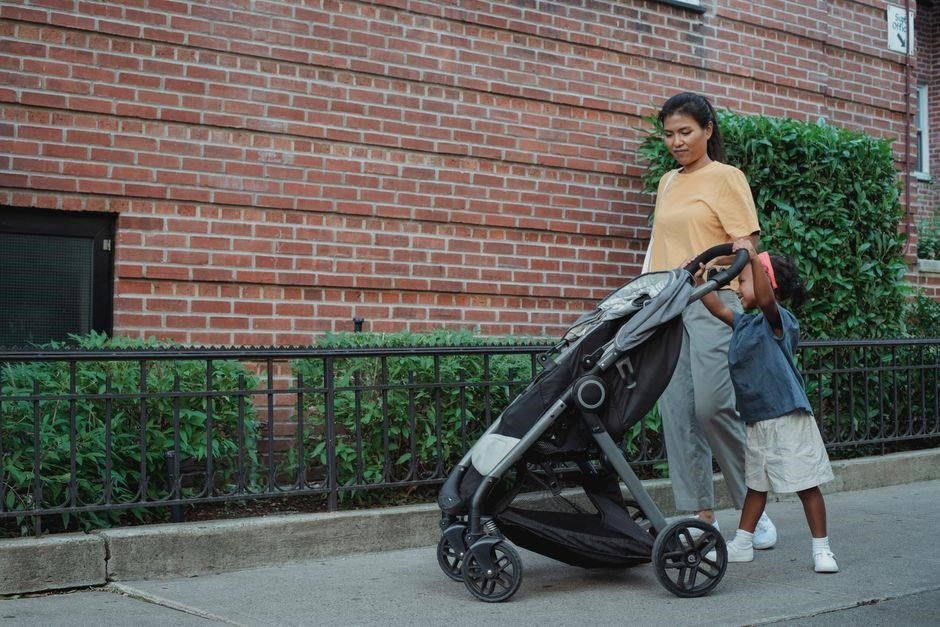
To operate the graco duoglider, secure the child seat, adjust the recline, and engage the safety latch. Use the control panel to set speed, monitor battery level, and activate the anti‑roll feature. Follow the illustrated steps for smooth, safe travel. Check the harness snugness before every ride!
4.1 Operating the Glider
Before you begin, ensure the glider is firmly mounted on a level surface and the power source is connected. The graco duoglider features a user‑friendly interface with a central control knob and LED indicators. Turn the power switch to the ON position; the display will illuminate, confirming readiness. To initiate motion, rotate the speed dial clockwise. The glider will respond with a gentle acceleration, allowing the child to experience a smooth glide. For a more relaxed ride, select the “Comfort” mode by pressing the designated button; this setting reduces acceleration and maintains a steady pace. If you need to stop, simply press the brake lever located on the side panel; the glider will decelerate gradually, ensuring a safe halt. Throughout operation, monitor the battery status via the LED bar; when the battery is low, a flashing icon will appear, prompting you to recharge or replace the battery pack. The glider also includes an automatic safety lock that engages when the seat is unlatched; this prevents accidental movement. Always keep the child’s harness fastened and check that the seat is secured before each use. For optimal performance, avoid operating the glider on uneven terrain or in high‑wind conditions. By following these steps, you can enjoy a safe, comfortable glide for your child, enhancing the bonding experience while ensuring peace of mind. Remember to regularly inspect the harness straps for wear and replace them as needed to maintain safety standards dailynow.

4.2 Adjusting Settings
To tailor the graco duoglider to your child’s comfort, follow these steps for adjusting the seat angle, recline, and footrest. Always ensure the unit is securely mounted before making changes. Use the adjustable levers located on the side panel to fine‑tune each component. The seat angle can be set between 0° (flat) and 45° for optimal support during play or rest. The recline lever allows a smooth transition from a fully upright position to a relaxed recline; use the lock button to secure the desired angle. The footrest can be raised or lowered by sliding the footrest lever, providing additional leg support for older children. For safety, double‑check that all levers are fully engaged after adjustment. If the child’s weight changes, revisit the settings to maintain proper ergonomics. Always keep the adjustment area free of debris, and avoid over‑tightening any fasteners, which may compromise the glider’s stability. By regularly reviewing and adjusting these settings, you ensure a safe, comfortable, and enjoyable experience for both child and caregiver.
- Seat Angle: Adjust between 0° and 45° using the side lever. Lock with the button.
- Recline: Smoothly shift to a relaxed position; secure with the lock.
- Footrest: Raise or lower by sliding the lever; lock when set.
- Check Stability: After each adjustment, test the glider’s balance.
- Re‑evaluate: When the child grows or weight changes, readjust accordingly.

After setting the desired positions, perform a quick safety check: sit on the glider and ensure the seat holds firmly, the footrest does not wobble, and the lock buttons remain engaged. If any movement is detected, readjust until the glider feels stable. This routine check helps prevent accidents and extends the product’s lifespan. Remember to document any changes for future reference.

Maintenance and Troubleshooting
Regularly inspect the graco duoglider for wear, clean fabric with mild detergent, and tighten all fasteners. If the glider stops moving, check the battery, ensure no obstructions, and reset the system. Contact support for persistent issues.Check for loose parts.!!!
5.1 Routine Maintenance
Follow these steps to keep your graco duoglider in top condition. Start by inspecting the frame for cracks or loose joints. Tighten any loose screws with a Phillips screwdriver, ensuring the glider remains stable. Clean the fabric seat with a soft brush and mild detergent, rinsing with a damp cloth. Avoid harsh chemicals that could damage the material. Check the battery compartment for corrosion; if present, clean with a cotton swab and isopropyl alcohol. Replace the battery if it no longer holds charge. Inspect the wheels for debris and ensure they rotate freely; remove any obstructions and lubricate with a silicone-based spray. Verify that all safety straps are securely fastened and free of frays. Perform a test glide after each maintenance session to confirm smooth operation. Store the glider in a dry area, protected from direct sunlight to prevent fabric fading. Regular maintenance extends the life of the product and guarantees a safe, comfortable experience for your child. Additionally, inspect the reclining mechanism for smooth operation; apply a small amount of silicone lubricant to the pivot points. Check the footrest for stability, tightening bolts as needed. Replace worn‑out foam cushions every 12 months to maintain support. Keep a maintenance log noting dates and actions taken. This record helps track wear patterns and anticipate replacements. If you notice any unusual noises or resistance during movement, stop use immediately and consult the troubleshooting guide. Proper care ensures the glider remains safe and functional for years
5.2 Common Issues and Fixes
Common issues with the graco duoglider include loose straps, uneven weight distribution, and occasional squeaking. Each problem has a straightforward solution that can be performed!!!!
- Loose or frayed straps: Inspect the harness and seat straps for wear. If a strap is loose, tighten the buckles and adjust the tension. For frayed straps, replace the strap with a new one from the manufacturer’s replacement kit. Ensure the strap is fully seated in the buckle before use.
- Uneven weight distribution: The duoglider’s design relies on a balanced load. If the child’s weight shifts to one side, adjust the seat angle or reposition the child. Use the adjustable footrest to level the glider and maintain a 45‑degree angle for optimal stability.
- Squeaking or creaking noises: These noises often stem from loose screws or worn pivot points. Tighten all screws with a Phillips screwdriver. If the noise persists, apply a small amount of silicone lubricant to the pivot joints. Avoid over‑lubrication, which can attract dust.
- Seat cushion sagging: Over time, the foam cushion may compress. Remove the cushion and replace it with a new one. Check the cushion’s firmness; it should feel firm but not hard. A sagging cushion can affect the child’s comfort and safety.
- Battery drain (if equipped with power features): Ensure the battery is fully charged before use. Replace the battery with a fresh unit. Keep the battery in a cool, dry place when not in use to prolong its life.
For any unresolved issues, contact the manufacturer’s customer support line. Provide the model number and a brief description of the problem. The support team can guide you through advanced troubleshooting or arrange a repair if necessary.