Black Soldier Fly Farm Design: A Comprehensive Guide
Detailed planning is crucial for successful black soldier fly (BSF) farms, encompassing site selection, waste stream analysis, and housing systems․
Numerous guides, including downloadable PDF resources, offer insights into efficient farm layouts and operational procedures for optimal production․
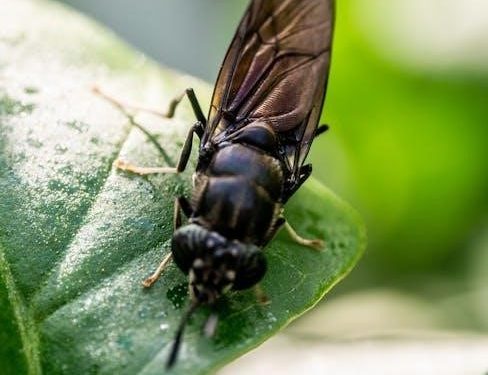
Black Soldier Fly (BSF) farming represents a revolutionary approach to waste management and protein production, gaining significant traction globally․ This innovative system utilizes the larvae of the Hermetia illucens to efficiently convert organic waste into valuable biomass․ A comprehensive understanding of farm design, often detailed in resources like a black soldier fly farm design PDF, is paramount for success․
The process involves attracting adult flies for egg laying, providing a suitable substrate for larval development, and subsequently harvesting the larvae for various applications․ These applications range from animal feed to biodiesel production․ The growing market, projected to reach $1․89 billion by 2029 with a CAGR of 17․1%, underscores the economic potential․
Initial investment and operational costs can be minimized through careful planning, utilizing readily available waste streams and optimizing larval housing․ PDF guides often highlight the importance of Standard Operating Procedures (SOPs) and biosecurity measures to ensure efficient and sustainable farm operation․
The Growing Black Soldier Fly Market
The black soldier fly market is experiencing rapid expansion, driven by increasing demand for sustainable protein sources and efficient waste management solutions․ Forecasts indicate substantial growth, reaching $1․89 billion by 2029 with a compound annual growth rate (CAGR) of 17․1%․ This surge is fueled by the need to reduce reliance on traditional, resource-intensive feed ingredients like maize and soybeans․
A well-designed BSF farm, detailed in resources such as a black soldier fly farm design PDF, is crucial for capitalizing on this market opportunity․ Farmers in regions like Kenya are already embracing BSF farming to mitigate rising livestock feed costs․
Companies like MYGroup are investing in bioconversion facilities, demonstrating the commercial viability of BSF technology․ The market’s growth is also linked to environmental benefits, including reduced landfill methane emissions and the creation of valuable frass fertilizer․ Understanding market trends and optimizing farm design, guided by available PDF resources, is key to success․
Environmental Benefits of BSF Farming
Black soldier fly (BSF) farming offers significant environmental advantages, primarily through its ability to convert organic waste into valuable resources․ This process drastically reduces the volume of waste sent to landfills, thereby minimizing harmful methane emissions – a potent greenhouse gas․ A thoughtfully planned farm, as outlined in a comprehensive black soldier fly farm design PDF, maximizes this waste reduction potential․
Furthermore, BSF farming diminishes the need for synthetic fertilizers, as the byproduct, frass, is a nutrient-rich soil amendment․ This contributes to more sustainable agricultural practices․ The entire lifecycle of BSF promotes a circular economy, transforming waste into feed and fertilizer․
Effective farm design, detailed in available PDF guides, is essential to optimize these benefits․ Proper waste stream management and larval housing systems, as described in these resources, ensure efficient bioconversion and minimize environmental impact, supporting a greener future․
BSF Farming as a Sustainable Feed Solution
Black soldier fly larvae (BSFL) represent a highly sustainable alternative to traditional livestock feed sources like maize and soybeans, which are facing rising costs and supply chain challenges․ BSFL efficiently convert organic waste into a protein-rich feed, reducing reliance on conventional agriculture and its associated environmental impacts․
A well-designed BSF farm, detailed in a black soldier fly farm design PDF, is crucial for maximizing feed production․ These PDF resources emphasize optimizing larval rearing conditions, including diet and housing, to enhance nutritional value․ This ensures the BSFL meet the dietary requirements of various livestock, including poultry and pork․
Implementing best practices, as outlined in these guides, allows farmers to reduce feed costs and improve livestock productivity․ BSF farming contributes to a more resilient and sustainable food system, lessening the environmental footprint of animal agriculture․
Reducing Livestock Feed Costs with BSF
Rising costs of conventional livestock feed, such as maize and soybeans, are significantly impacting farmer profitability․ Black soldier fly (BSF) farming offers a viable solution by providing a locally sourced, protein-rich feed alternative․ A comprehensive black soldier fly farm design PDF is essential for maximizing cost savings․
These PDF guides detail efficient farm layouts and operational procedures, focusing on minimizing input costs and maximizing larval yield․ Optimized waste stream management, as highlighted in these resources, reduces reliance on expensive purchased feed ingredients․
Farmers in regions like Kisumu County, Kenya, are already benefiting from BSF training, demonstrating the potential for significant cost reductions․ Implementing a well-planned BSF farm, guided by detailed PDF resources, empowers farmers to enhance productivity and competitiveness while mitigating the impact of fluctuating feed prices․

Farm Design Considerations
Effective farm design, detailed in a black soldier fly farm design PDF, requires careful planning of site selection, waste input, and larval housing․
Optimized layouts are key․
Site Selection for a BSF Farm
Strategic site selection is paramount for a thriving Black Soldier Fly (BSF) farm, as detailed in comprehensive black soldier fly farm design PDF guides․ Key considerations include proximity to consistent organic waste streams – a crucial input for larval development – minimizing transportation costs and ensuring a reliable feedstock supply․
Zoning regulations and local ordinances must be thoroughly investigated to ensure compliance and avoid potential legal hurdles․ Access to utilities like water and electricity is essential, alongside suitable drainage to manage wastewater from the larval rearing process․ Climate control is also vital; while BSF are relatively adaptable, extreme temperatures can impact their lifecycle and productivity․
Space requirements will vary based on the scale of operation, but sufficient land is needed for larval housing, composting areas for frass, and potential expansion․ Furthermore, consider biosecurity – locating the farm away from livestock operations can minimize the risk of disease transmission․ A PDF design guide will often include checklists for evaluating potential sites․
Waste Stream Analysis & Input Materials
A thorough waste stream analysis is fundamental, as highlighted in detailed black soldier fly farm design PDF resources․ Identifying consistent, readily available organic waste is critical; suitable materials include agricultural byproducts, food processing waste, and manure․ The composition of the waste significantly impacts larval growth and frass quality․
Moisture content, carbon-to-nitrogen ratio (C:N), and pH levels must be assessed; BSF larvae thrive in materials with a C:N ratio between 20:1 and 30:1․ Waste streams requiring pre-processing – such as size reduction or moisture adjustment – should be factored into the farm’s operational plan․
Contamination is a key concern; avoid waste containing harmful chemicals or pathogens․ A PDF guide will often provide lists of acceptable and unacceptable input materials․ Consistent quality control of the feedstock is essential for maintaining optimal larval health and maximizing bioconversion efficiency, ultimately impacting the farm’s profitability․
Larval Housing Systems
Larval housing systems are central to BSF farm design, with PDF guides detailing two primary approaches: static bin systems and automated tray systems․ Static bins are simpler and lower-cost, involving large containers where larvae grow in the waste substrate․ They require manual harvesting and are suited for smaller operations․
Automated tray systems, often featured in comprehensive black soldier fly farm design PDF documents, utilize moving trays to facilitate feeding, harvesting, and cleaning․ These systems increase efficiency and reduce labor but involve higher initial investment․ Tray depth and surface area are crucial design considerations, influencing larval density and growth rates․
PDF resources emphasize the importance of designing systems for easy waste removal and frass collection․ Proper drainage is vital to prevent anaerobic conditions․ The choice of system depends on farm scale, budget, and desired level of automation, impacting overall operational costs and productivity․
Static Bin Systems

Static bin systems represent a foundational approach to larval rearing, frequently detailed in black soldier fly farm design PDF guides․ These systems utilize stationary containers – often plastic totes or repurposed bins – filled with organic waste as a larval substrate․ They are favored for their simplicity and low initial investment, making them ideal for smaller-scale or pilot BSF farms․
PDF resources highlight the importance of bin size and depth, typically ranging from 1 to 3 feet deep, to balance larval density and oxygen availability․ Adequate ventilation is crucial, often achieved through drilled holes covered with mesh to prevent fly escape․ Manual mixing of the substrate is necessary to ensure even distribution of nutrients and prevent anaerobic pockets․
Harvesting from static bins is labor-intensive, usually involving screening or raking larvae․ While less automated, these systems offer a practical entry point into BSF farming, as explained in numerous downloadable PDF guides․
Automated Tray Systems
Automated tray systems represent a significant advancement in BSF farming, often comprehensively illustrated in detailed black soldier fly farm design PDF documents․ These systems employ a series of shallow trays, typically arranged on a moving or rotating platform, to streamline the larval rearing process․ They are designed for larger-scale operations seeking increased efficiency and reduced labor costs․
PDF guides emphasize the benefits of automated feeding and harvesting․ Larvae migrate across trays in search of fresh food, concentrating themselves for easy collection․ Automated systems minimize manual handling, improving hygiene and reducing the risk of contamination․ Tray depth and material are critical considerations, influencing larval movement and ease of cleaning․
Investment costs are higher compared to static bins, but the increased throughput and reduced labor often justify the expense, as detailed in various PDF resources available online․ These systems are a cornerstone of commercial BSF operations․
Climate Control & Environmental Management
Effective climate control is paramount for optimal BSF larval growth, thoroughly addressed in black soldier fly farm design PDF guides․ Maintaining consistent temperature and humidity levels is crucial, as larvae are sensitive to environmental fluctuations․ Ideal temperatures generally range between 25-32°C (77-90°F), with humidity around 60-70%․
PDF resources detail various strategies, including enclosed structures, ventilation systems, and shading to regulate temperature․ Controlling humidity prevents mold growth and ensures optimal larval development․ Environmental management extends to odor control, often achieved through biofilters or enclosed composting systems, minimizing impact on surrounding areas․
Proper ventilation is vital for removing excess moisture and maintaining air quality․ Detailed PDF plans often include airflow diagrams and recommendations for fan placement․ Sustainable farm designs prioritize energy efficiency and minimize environmental footprint, as highlighted in comprehensive guides․
BSF Farm Infrastructure
Essential infrastructure includes egg collection, larval rearing, harvesting, and frass management systems․ Black soldier fly farm design PDF resources detail layouts and equipment for efficient, scalable operations․
Egg Collection & Hatching

Effective egg collection is foundational to BSF farm productivity․ Mature female flies deposit eggs on textured surfaces, necessitating dedicated oviposition structures․ Black soldier fly farm design PDF guides frequently illustrate various designs, from simple cardboard rolls to more sophisticated, purpose-built containers․ These structures should be easily removable for egg harvesting․
Harvested eggs require a controlled environment for optimal hatching․ Maintaining consistent temperature (around 28-32°C or 82-90°F) and humidity (70-80%) is critical․ Many designs incorporate gentle misting systems to maintain humidity and encourage hatching․ The PDF resources emphasize the importance of preventing desiccation․
Hatching typically occurs within 24-72 hours․ Newly hatched larvae are extremely small and require immediate access to food․ Some farms utilize a ‘hatch and feed’ system, where eggs are placed directly above the larval rearing substrate․ Detailed schematics within the PDF documents showcase these integrated systems, maximizing efficiency and minimizing labor․
Larval Rearing & Feeding
Larval rearing constitutes the core of BSF production, demanding careful attention to substrate composition and environmental control․ Black soldier fly farm design PDF guides detail optimal substrate mixes, typically utilizing a blend of agricultural byproducts, food waste, and manure․ Substrate depth and moisture content are crucial parameters, often ranging from 10-20cm and 60-70% respectively․

Feeding strategies vary based on scale and available resources․ Continuous feeding, where larvae have constant access to substrate, is common in automated systems․ Batch feeding, involving periodic substrate additions, is suitable for smaller operations․ The PDF resources highlight the importance of substrate particle size, ensuring accessibility for young larvae․
Maintaining optimal temperature (28-32°C) and aeration is vital for larval growth․ Designs often incorporate forced ventilation systems and temperature monitoring․ The PDF documents emphasize the need to prevent overheating and anaerobic conditions, which can hinder larval development and attract pests․
Harvesting & Processing of Larvae
Larval harvesting marks a critical stage, influencing the quality and efficiency of BSF production․ Black soldier fly farm design PDF guides outline various harvesting methods, ranging from manual separation to automated systems․ Manual harvesting, suitable for smaller farms, involves sifting larvae from the substrate․ Automated systems utilize vibrating screens or conveyor belts for continuous separation․
Post-harvest processing typically includes cleaning, de-fatting, and drying․ Cleaning removes residual substrate, while de-fatting reduces moisture content and enhances shelf life․ Drying methods include sun-drying, oven-drying, and freeze-drying, each impacting nutritional value and cost․ The PDF resources detail optimal drying temperatures to preserve protein content․
Further processing can involve grinding larvae into a meal or oil extraction․ These products serve as valuable feed ingredients for livestock and aquaculture․ The PDF documents emphasize the importance of proper storage to prevent spoilage and maintain nutritional quality․
Frass Management & Utilization
BSF frass, the insect excrement and leftover substrate, represents a valuable byproduct with significant agricultural benefits․ Black soldier fly farm design PDF guides highlight its potential as a potent organic fertilizer, rich in nutrients like nitrogen, phosphorus, and potassium․ Effective frass management is crucial for maximizing its value and minimizing environmental impact․
Proper handling involves collection, composting, and storage․ Composting stabilizes the frass, reducing odor and enhancing its fertilizer properties․ Storage should be in a dry, well-ventilated area to prevent anaerobic decomposition․ The PDF resources detail optimal composting ratios and storage conditions․
Frass can be directly applied to soil as a fertilizer or processed into compost tea․ Its use improves soil structure, water retention, and plant growth․ The PDF documents emphasize the importance of testing frass for nutrient content and potential contaminants before application, ensuring safe and effective utilization․
Operational Guidelines & Best Practices

Standard Operating Procedures (SOPs) are vital for BSF farm efficiency, detailed in comprehensive PDF guides․
Biosecurity, scaling, and consistent monitoring are key to sustainable, profitable operations․
Standard Operating Procedures (SOPs)
Robust Standard Operating Procedures (SOPs) are the cornerstone of a consistently productive and efficient Black Soldier Fly (BSF) farm․ Detailed PDF guides frequently outline these procedures, covering every stage of the process, from egg collection and hatching to larval rearing, harvesting, and frass management․
These SOPs should meticulously document feeding schedules, waste input protocols (specifying acceptable materials and preparation methods), environmental control parameters (temperature, humidity, ventilation), and larval density management․ Furthermore, clear instructions for harvesting techniques, processing methods (drying, oil extraction), and quality control measures are essential․
Effective SOPs also address biosecurity protocols to prevent disease outbreaks and contamination, alongside detailed cleaning and sanitation schedules․ Regularly reviewing and updating these procedures, based on performance data and emerging best practices, ensures continuous improvement and maximizes the farm’s operational effectiveness․ Accessibility of these PDF-based SOPs to all personnel is paramount for consistent implementation․
Biosecurity Measures
Maintaining strict biosecurity is paramount in Black Soldier Fly (BSF) farming to prevent disease introduction and propagation, safeguarding both the larvae and the final product․ Comprehensive PDF farm design guides emphasize implementing robust protocols․
Key measures include controlled access to the facility, restricting personnel and vehicle traffic․ Dedicated footwear and clothing for farm staff, alongside thorough disinfection procedures for all incoming materials (waste substrates, equipment), are crucial․ Regular monitoring for pests and pathogens, coupled with preventative treatments, minimizes risks․
Implementing a quarantine area for new waste streams before introducing them to the main rearing system is vital․ Proper waste management, including secure storage and disposal of deceased larvae or contaminated materials, prevents disease spread․ Detailed record-keeping of all biosecurity activities, often outlined in PDF checklists, ensures accountability and traceability, bolstering overall farm health and product safety․
Scaling Your BSF Farm
Expanding a BSF farm requires careful planning and phased implementation, often detailed in comprehensive farm design PDF guides․ Initial scalability assessments should analyze market demand, waste stream availability, and financial projections․ Modular designs, allowing for incremental expansion of larval housing and processing capacity, are highly recommended․
Automation plays a crucial role in scaling, reducing labor costs and increasing efficiency․ Investing in automated feeding, harvesting, and frass removal systems becomes increasingly important with larger operations․ Thorough documentation of Standard Operating Procedures (SOPs), frequently included in PDF resources, ensures consistency as the farm grows․
Securing additional funding, optimizing waste logistics, and establishing reliable distribution channels are essential for successful scaling․ A well-defined growth strategy, informed by detailed farm design PDFs and market analysis, minimizes risks and maximizes profitability during expansion phases․